

For example, they may have to wait on overdue receivables or commit time to following up on late or incorrectly allocated payments. There are also reams of paper to manage, which compounds if each of their healthcare partners engages in manual processes. Moreover, each hospital or health system has its own way of doing things, and the supplier must respond to those various needs, adding to the complexities and resource intensiveness of managing incoming payments. Finally, a paper process does not give the supplier any insight into its performance against agreed payment terms or allow it to identify opportunities for better financial results.
- Finally, hospitals and clinics should consider creating standard operating procedures (SOPs) for their accounts payable systems.
- The A/P recovery audit was well managed, minimally disruptive to operations, and identified unexpected recovery dollars and patterns enabling further tightening of controls and processes.
- Healthcare Accounts Payable can be automated through vendor payments, cross-border transactions, invoice capture, vendor management, purchase order matching, and more.
- Real-time dashboards and reporting tools provide executives and finance teams with immediate insights into outstanding liabilities, cash flow, and spending patterns.
How to Optimize AR & AP Management
Train Staff on Billing Procedures Equip billing teams with knowledge of regulations, coding, and insurer requirements to improve accuracy and efficiency. Improves Creditworthiness Maintaining steady cash flow through AR financing can improve your Cash Flow Statement ability to secure other financing if needed. Supports Growth and Expansion Enables investment in new facilities, equipment, or staff without waiting for slow insurance payments.
High volume of invoices
Accounts payable in healthcare dictates the way you pay your vendors, suppliers, and other bills – from your mortgage or lease to goods and utilities. Cash flow has become increasingly critical for health care organizations, especially bookkeeping with reimbursement delays, seasonal shifts in patient volume, and rising labor costs. For hospitals where every dollar saved supports patient care, these gaps matter. Enables Better Financial Planning Accurate billing data helps predict revenue and manage costs, supporting decisions on expansion, hiring, or operational improvements. Automate your invoice payments to occur on a particular day and optimize healthcare department budgets.

Reducing Costs and Waste: Sustainability in Medical Supplies Marketplaces
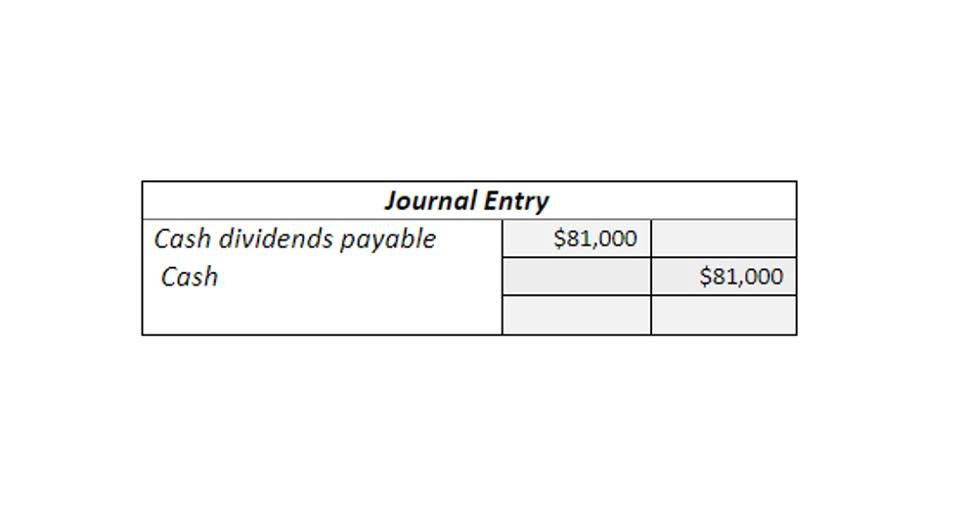
A slower insurance reimbursement process negatively impacts a healthcare facility’s cash flow. This issue has a more adverse effect on small practices where resources are limited, specifically financial ones. However, if you unnecessarily write off payments, that you can recover through effective A/R management, you will strain your practice’s revenue cycle.
Similarly, an inefficient AP system means you could miss out on early-pay discounts and even pay late fees that you could easily avoid with the right system. They might be less willing to deliver necessary items, especially in times of shortages when supply chains are strained. Let’s explore the important role accounts payable plays in the success healthcare accounts payable of your business and how you can optimize your accounts payable systems and processes for greater efficiency. For example, when AP anticipates a rise in supply invoices during peak census periods, treasury can plan accordingly. When cash reserves are strong, leaders may choose to accelerate payments to strengthen vendor relationships or secure future pricing advantages.

Documents are the lifeblood of any business, especially healthcare organizations. Produce professional documents at volume with user-friendly templates and edit functionality. Testing the system before it is implemented is also important for ensuring that the system works as intended. Finally, ongoing maintenance and support are necessary for keeping the system up-to-date with new technology and responding to user feedback. The fourth section should focus on how to choose the right AP system for a hospital or clinic.
Healthcare accounts payable can be automated in many ways, including vendor payments, cross-border transactions, purchase order matching, invoice capture, supplier management, and more. The accounts payable team at Smiles First was having issues with the volume of vendor invoices it was processing each month. The data from each invoice had to be entered manually into NetSuite and uploaded to Sharepoint. From handling high volumes of invoices to staying compliant with regulations, AP teams face unique challenges every day.
- The remaining $200 becomes part of the accounts receivable balance until it is collected from the insurance company.
- Begin by conducting a comprehensive assessment of your healthcare organization’s specific needs and requirements in accounts-payable automation.
- Some of these payment methods enable healthcare providers to take advantage of early-pay discounts and reduce the number of late payments, and even onboard suppliers to further save AP staff time.
- Your system of accounts payable dictates the way you pay your vendors, suppliers, and other bills – from your mortgage or lease to goods and utilities.
- Tracking these analytics gives an overview of how your business is doing in the payment process.
- Generally, they will include options for invoicing, payment processing, tracking of payments, invoice reconciliation, budgeting, and reporting.
Why AP Automation Matters for Healthcare Organizations
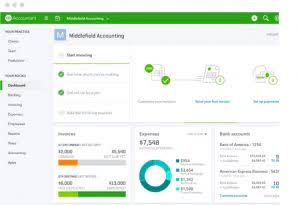
For some, this will make a case for adopting a fully electronic payment system that streamlines vendor payments over other methods like paper checks. Read below for specific metrics to help your AP department remain efficient. Healthcare organizations track and measure data throughout doing business. Key performance indicators (KPIs) can help to identify where health systems are doing well and where they can improve.
Why Make the Leap to Healthcare AP Automation?
A.Team shifted focus from admin to growth, scaled payments to builders in 40 countries, and streamlined onboarding with built-in tax compliance. Barbara is a financial writer for Tipalti and other successful B2B businesses, including SaaS and financial companies. She is a former CFO for fast-growing tech companies with Deloitte audit experience.

The recruiting, hiring and training of AP staff requires valuable time and monetary resources, both of which CoC providers cannot afford to waste. Our team tracks payments and follow-up on claims, working tirelessly to expedite the insurance reimbursement process, improving your practice’s cash flow. Healthcare providers can save nearly $9.8 billion annually by verifying patient eligibility and benefits before suggesting estimated medical costs.