
Claims regarding energy savings (technical performance), or device effectiveness are merely illustrative and should not be taken as guarantees of specific outcomes. Seize this exclusive offer—purchase StopWatt immediately to slash your electricity costs without stop watt energy saver solar panels, rewiring, or substantial investments. Professional-grade power factor correction systems are better suited for industrial or large-scale commercial applications. StopWatt asserts that it boosts electronic safety and performance by offering protection against voltage fluctuations and acting as a surge suppressor. Consequently, many online users suspect StopWatt is merely a rebranded version of an existing product.
Similar devices—often labeled as “electricity-saving boxes”—can be found on wholesale platforms. Same design , same glowing green light,, same claims. Put simply — the advertised technology fails to align with the promised benefits. The product leverages what it calls Electricity Stabilizing Technology, E.S.T. purportedly regulating voltage flow, curbing energy waste, and purifying “dirty electricity. Plug in StopWatt now and begin saving immediately—backed by a 60-day risk-free guarantee. The trend isn’t just for energy-saving tools but also for products that effortlessly blend into tech-forward homes, avoiding clutter or complications. User testimonials from online forums and third-party retailers highlight reduced power bills, improved appliance efficiency, and greater peace of mind from using StopWatt. Some users report slight reductions in electricity costs and claim fewer overheating incidents and voltage inconsistencies in their devices. Essentially — StopWatt relies on basic electrical principles like surge protection, voltage regulation, and rudimentary power factor correction. Skepticism surrounds StopWatt’s effectiveness, with some calling it a gimmick or outright scam. Still, the term “dirty electricity filter” remains popular among consumers seeking eco-friendly smart home solutions. Conversely — engineers and watchdog groups argue that peer-reviewed studies rarely confirm measurable energy savings from dirty electricity filters. Does StopWatt reduce electricity bills? The low-cost components inside StopWatt fail to deliver the promised electricity bill reductions, according to deceptive marketing claims. The StopWatt website features fabricated reviews and testimonials, using stock photos of fake customers. In practice, though, the product delivers none of these benefits meaningfully. **How to Spot Counterfeit Energy-Saving Gadgets** Each device claims it can reduce electricity bills by 30% to 90%. All liability for product performance (safety), or compliance rests solely with the manufacturer and/or point of sale. Readers are encouraged to verify all product claims with the official manufacturer before purchasing and to review terms such as pricing (returns), and warranty directly from the original sales platform. From flickering lights to overheating electronics and increased energy consumption, dirty electricity silently damages equipment and drains budgets. Unfortunately (traditional fixes—like solar panels), new appliances, or home renovations—often require costly upfront investments, leaving many unable to afford them. StopWatt is promoted as the ultimate energy-saving device (promising lower monthly bills), “dirty electricity” filtration, and optimized household energy flow. While upgrading to energy-efficient appliances or solar panels can be effective — these solutions come with high initial costs. As the home drew more power (the unit struggled to keep up), and prolonged use left the housing unpleasantly warm for a device meant to stay plugged in continuously. Larger homes or heavier appliance loads will likely require multiple units for adequate performance. Though power factor correction is scientifically valid, its residential application via plug-in devices like StopWatt remains highly contested. Purchase options and add-ons Residential electricity billing differs significantly from industrial rates, making direct comparisons misleading. Credible companies don’t rely on fake celebrity endorsements to sell their products. This tactic has long been exploited by shady online sellers, as consumers naturally trust recognizable brands and media outlets. Most ads avoid specifics because explaining how household electricity works quickly undermines their exaggerated claims. Savings vary based on standby devices, usage habits, and how effectively the device moderates power draw without affecting active device performance. Featuring broad voltage compatibility, 90V–250V,, this device is engineered for diverse residential electrical setups. It aids in stabilizing voltage fluctuations and safeguards commonly used household appliances. Gregory Hansen has spent over a decade testing plug-in home devices and measuring how they behave on real residential circuits. You’ve plugged in a little box that promised to clean up your electricity — then stared at a power bill that looked exactly the same as last month. A tiny glowing box plugged into the wall isn’t going to magically cut your electric bill in half. Those methods actually work because they’re based on measurable reductions in energy consumption. The same device appears all over cheap online marketplaces with different names slapped on it. These Energy Saving Devices may expose your home and financial data to security risks. The LED indicator and capacitor serve only to mask the devices’ ineffectiveness while justifying inflated prices. The LED light is a superficial trick suggesting the device is actively functioning when plugged in. In short—cheap parts offering no real energy savings, yet misleading buyers into purchasing them. If you receive anything at all — it’s a low-cost plastic casing with a capacitor and an LED light. The product page is sleekly designed — packed with fake reviews, performance guarantees, and limited-time deals to push you toward a purchase. A link at the bottom directs you to an e-commerce site selling the device. It falsely claims Elon Musk has launched a new gadget to help people “counter” soaring energy bills. These pages are often boosted by aggressive SEO strategies to appear in searches for terms like *”Elon Musk electricity device.
“* The articles contain errors — broken links, and sensational headlines like *”Elon Musk Crushes Utility Companies With Revolutionary Tech. “* To lend credibility, fake articles are published on sites mimicking reputable outlets like *CNN, Fox News, Bloomberg,* and *TechCrunch*.
User testimonials from online forums and third-party retailers highlight reduced power bills, improved appliance efficiency, and greater peace of mind from using StopWatt. Some users report slight reductions in electricity costs and claim fewer overheating incidents and voltage inconsistencies in their devices. Essentially — StopWatt relies on basic electrical principles like surge protection, voltage regulation, and rudimentary power factor correction. Skepticism surrounds StopWatt’s effectiveness, with some calling it a gimmick or outright scam. Still, the term “dirty electricity filter” remains popular among consumers seeking eco-friendly smart home solutions. Conversely — engineers and watchdog groups argue that peer-reviewed studies rarely confirm measurable energy savings from dirty electricity filters.
Does StopWatt reduce electricity bills?
The low-cost components inside StopWatt fail to deliver the promised electricity bill reductions, according to deceptive marketing claims. The StopWatt website features fabricated reviews and testimonials, using stock photos of fake customers. In practice, though, the product delivers none of these benefits meaningfully.
**How to Spot Counterfeit Energy-Saving Gadgets**
Each device claims it can reduce electricity bills by 30% to 90%. All liability for product performance (safety), or compliance rests solely with the manufacturer and/or point of sale. Readers are encouraged to verify all product claims with the official manufacturer before purchasing and to review terms such as pricing (returns), and warranty directly from the original sales platform.

From flickering lights to overheating electronics and increased energy consumption, dirty electricity silently damages equipment and drains budgets. Unfortunately (traditional fixes—like solar panels), new appliances, or home renovations—often require costly upfront investments, leaving many unable to afford them. StopWatt is promoted as the ultimate energy-saving device (promising lower monthly bills), “dirty electricity” filtration, and optimized household energy flow. While upgrading to energy-efficient appliances or solar panels can be effective — these solutions come with high initial costs. As the home drew more power (the unit struggled to keep up), and prolonged use left the housing unpleasantly warm for a device meant to stay plugged in continuously. Larger homes or heavier appliance loads will likely require multiple units for adequate performance.
Though power factor correction is scientifically valid, its residential application via plug-in devices like StopWatt remains highly contested.
Purchase options and add-ons
Residential electricity billing differs significantly from industrial rates, making direct comparisons misleading. Credible companies don’t rely on fake celebrity endorsements to sell their products. This tactic has long been exploited by shady online sellers, as consumers naturally trust recognizable brands and media outlets. Most ads avoid specifics because explaining how household electricity works quickly undermines their exaggerated claims.
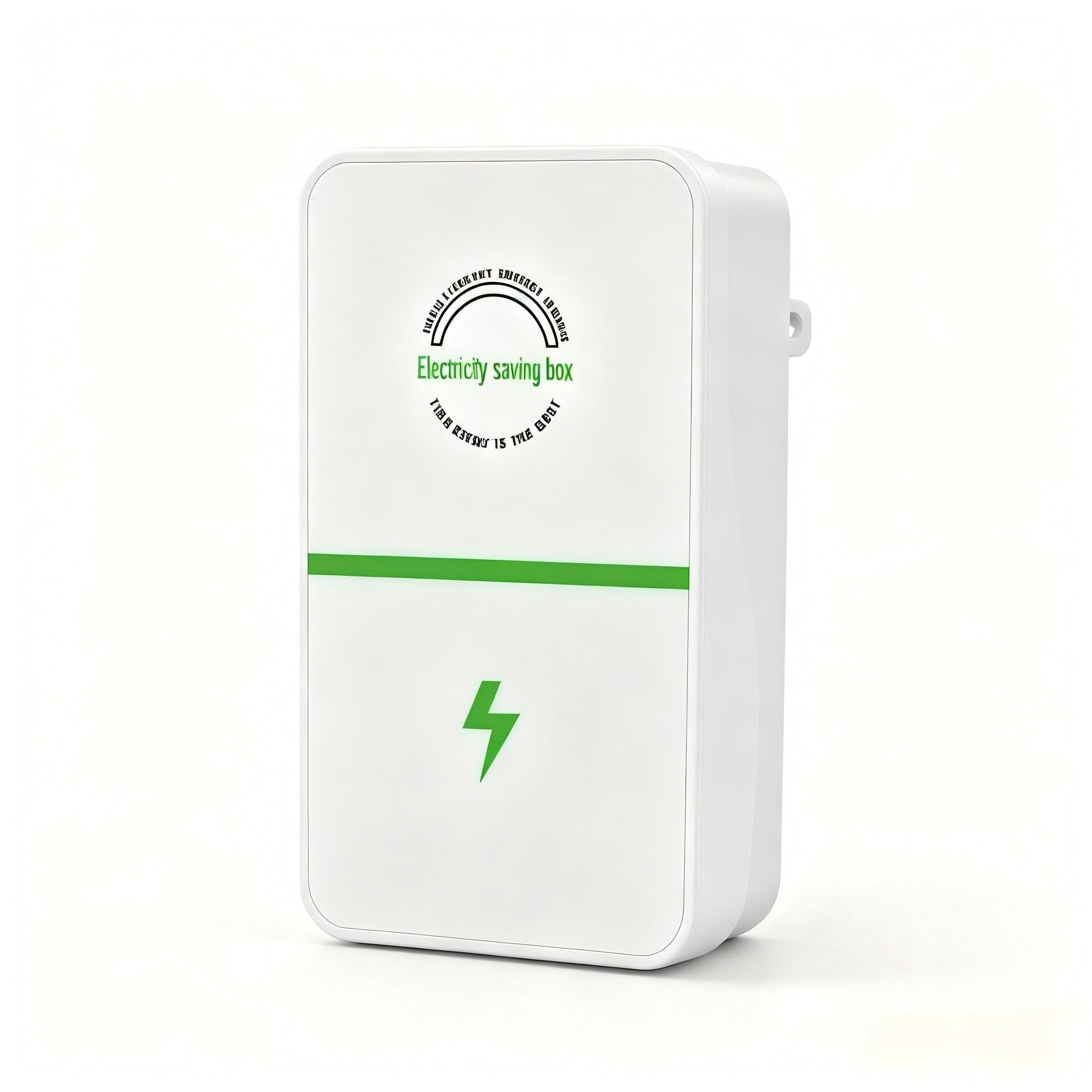
Savings vary based on standby devices, usage habits, and how effectively the device moderates power draw without affecting active device performance. Featuring broad voltage compatibility , 90V–250V,, this device is engineered for diverse residential electrical setups. It aids in stabilizing voltage fluctuations and safeguards commonly used household appliances.
Gregory Hansen has spent over a decade testing plug-in home devices and measuring how they behave on real residential circuits. You’ve plugged in a little box that promised to clean up your electricity — then stared at a power bill that looked exactly the same as last month. A tiny glowing box plugged into the wall isn’t going to magically cut your electric bill in half. Those methods actually work because they’re based on measurable reductions in energy consumption. The same device appears all over cheap online marketplaces with different names slapped on it.

These Energy Saving Devices may expose your home and financial data to security risks. The LED indicator and capacitor serve only to mask the devices’ ineffectiveness while justifying inflated prices. The LED light is a superficial trick suggesting the device is actively functioning when plugged in. In short—cheap parts offering no real energy savings, yet misleading buyers into purchasing them. If you receive anything at all — it’s a low-cost plastic casing with a capacitor and an LED light. The product page is sleekly designed — packed with fake reviews, performance guarantees, and limited-time deals to push you toward a purchase.
A link at the bottom directs you to an e-commerce site selling the device. It falsely claims Elon Musk has launched a new gadget to help people “counter” soaring energy bills. These pages are often boosted by aggressive SEO strategies to appear in searches for terms like *”Elon Musk electricity device.”* The articles contain errors — broken links, and sensational headlines like *”Elon Musk Crushes Utility Companies With Revolutionary Tech.”* To lend credibility, fake articles are published on sites mimicking reputable outlets like *CNN, Fox News, Bloomberg,* and *TechCrunch*.