
Tanzania’s Mineral Wealth and Its Economic Potential
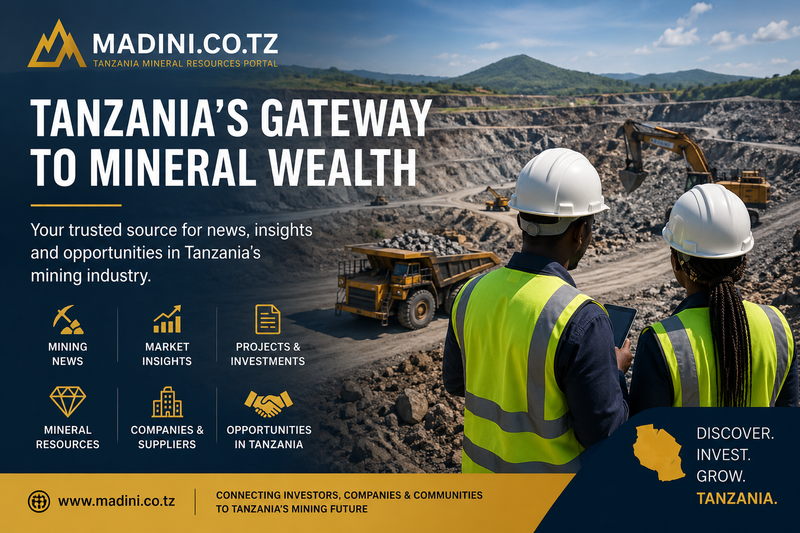 ESG in Tanzania mining. Environmental, Social, and Governance (ESG) factors are becoming increasingly important in the mining industry in Tanzania. ESG refers to the set of criteria that investors and stakeholders use to evaluate a company operations in terms of their impact on the environment, society, and governance practices. In recent years, there has been a growing recognition of the importance of ESG considerations in the mining https://madini.co.tz/ sector, as companies seek to minimize their environmental footprint, ensure the well-being of their employees and communities, and maintain high standards of corporate governance. In Tanzania, the mining industry plays a significant role in the country economy, contributing to job creation, revenue generation, and infrastructure development. However, like in many other countries, mining operations in Tanzania have historically been associated with environmental degradation, social conflicts, and governance challenges. In response to these issues, there has been a push for greater transparency, accountability, and sustainability in the mining sector, with a focus on integrating ESG principles into companies’ practices. One of the key environmental considerations in the Tanzanian mining industry is the impact of mining activities on the local ecosystems and biodiversity. Mining operations can lead to deforestation, soil erosion, water pollution, and habitat destruction, which can have long-lasting effects on the environment. Companies operating in Tanzania are increasingly being held accountable for their environmental impact and are expected to implement measures to mitigate their footprint, such as reforestation programs, water management strategies, and waste reduction initiatives. In terms of social factors, the mining industry in Tanzania is often a source of employment and economic development for local communities. However, mining activities can also lead to social conflicts, displacement, and human rights violations. Companies are expected to engage with local communities, respect the rights of indigenous peoples, and contribute to the social and economic development of the areas in which they operate. This includes providing employment opportunities, supporting local businesses, and investing in education and healthcare infrastructure. Governance practices in the Tanzanian mining industry have also been under scrutiny, with concerns about corruption, transparency, and regulatory compliance. Companies are expected to adhere to high standards of corporate governance, including transparency in reporting, ethical business practices, and compliance with local laws and regulations. This includes engaging with government authorities, stakeholders, and civil society organizations to ensure that mining activities are conducted in a responsible and ethical manner. Overall, the integration of ESG principles in the Tanzanian mining industry is essential for ensuring the long-term sustainability and success of mining operations in the country. Companies that prioritize ESG considerations are more likely to attract investment, build strong relationships with stakeholders, and create value for their shareholders. By adopting a holistic approach to ESG, companies can not only mitigate risks and enhance their reputation but also contribute to the overall well-being of the environment, society, and governance practices in Tanzania. In conclusion, ESG factors are becoming increasingly important in the Tanzanian mining industry, as companies seek to minimize their environmental impact, promote social development, and uphold high standards of governance. By integrating ESG principles into their operations, companies can create value for their stakeholders, build trust with local communities, and contribute to the sustainable development of the country. ESG is not just a buzzword but a critical framework for ensuring the responsible and ethical conduct of mining activities in Tanzania.